3 min to read
Dirty Dozen Titanium Field Watch
About
The Dirty Dozen: Iconic WW2 Field Watches
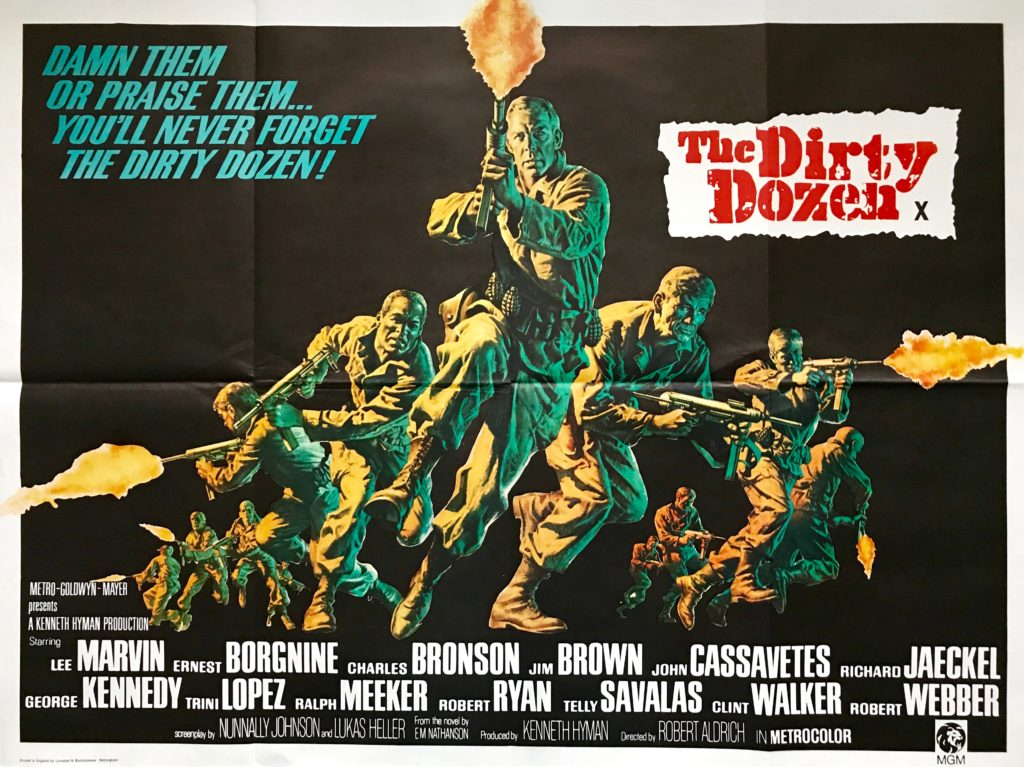
The “Dirty Dozen” refers to a collection of military wristwatches produced during World War II to meet the practical needs of soldiers. These watches were designed for ruggedness, precision, and utility on the battlefield. The name “Dirty Dozen” was adopted in the 1960s, inspired by a popular war film, but the watches themselves were originally commissioned by the British Ministry of Defence as part of the effort to standardize reliable and functional timekeeping for military use.
A Historical Context: The Need for Military Watches
By the 1940s, wristwatches had evolved significantly from their early 20th-century predecessors, the trench watches of World War I. Trench watches marked a transition from pocket watches to wrist-mounted timepieces, born out of the need for portable, easily accessible timekeeping during combat. These early watches laid the groundwork for what would become standard-issue military timepieces: robust, legible, and reliable tools for soldiers.
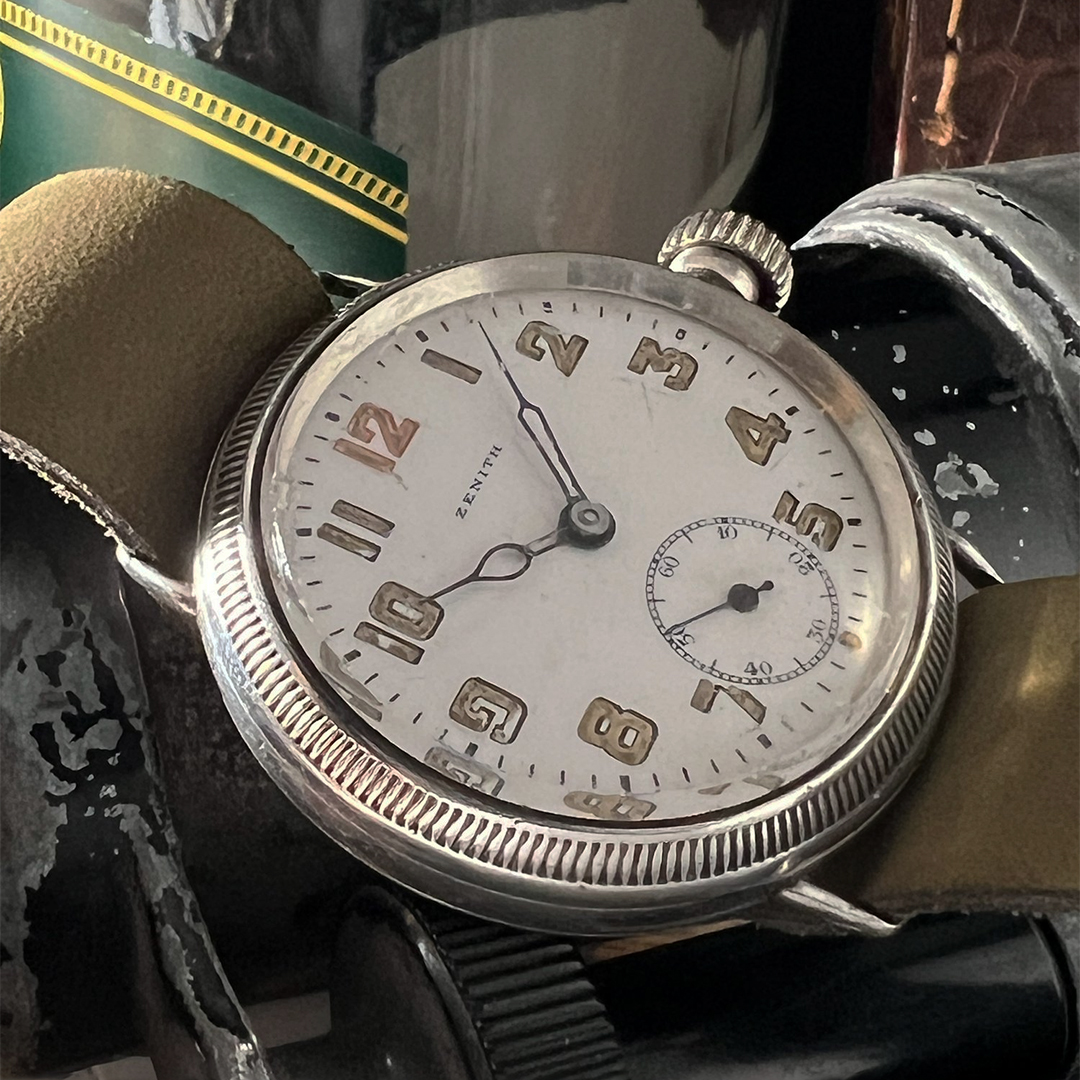
World War 1 Zenith reference ML16.6 trench watch. Photo credit: Cool Vintage Watches.
As World War II escalated, the British military sought to standardize the watches issued to their forces. The demands of war required watches that could withstand harsh environments, provide accurate timekeeping, and remain easy to read under duress. This led to the “W.W.W.” specification - short for “Wrist. Watch. Waterproof.” The specification outlined strict requirements for durability, precision, and functionality, resulting in the creation of what is now known as the Dirty Dozen.
Switzerland’s neutrality, coupled with its established watchmaking industry, made it the ideal source for these timepieces. Twelve manufacturers answered the call to produce these field watches: Buren, Cyma, Eterna, Grana, Jaeger-LeCoultre, Lemania, Longines, IWC, Omega, Record, Timor, and Vertex.
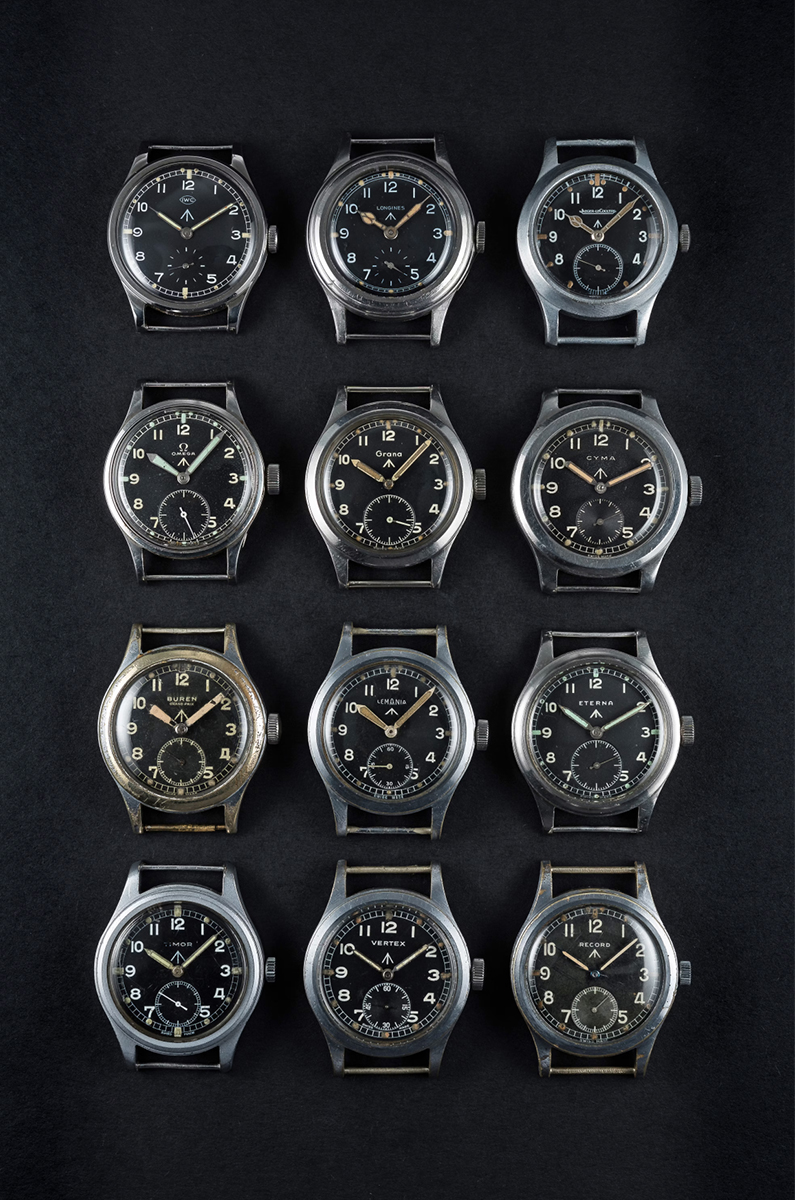
Complete Dirty Dozen collection. Photo credit: Watches of Knightsbridge.
After the war, many of these watches were decommissioned and sold to civilians. Their design and historical significance have made them highly regarded among watch collectors and historians. Examples in good condition are often sought after in auctions and private sales.
Legacy
While they may not have “invented” the field watch outright, the Dirty Dozen watches introduced key design elements that are now standard in modern field watches. These include large crowns, high-visibility Arabic numerals on black dials, and the iconic broad arrow markings. These features underscore their lasting impact on the design of functional, military-inspired timepieces.
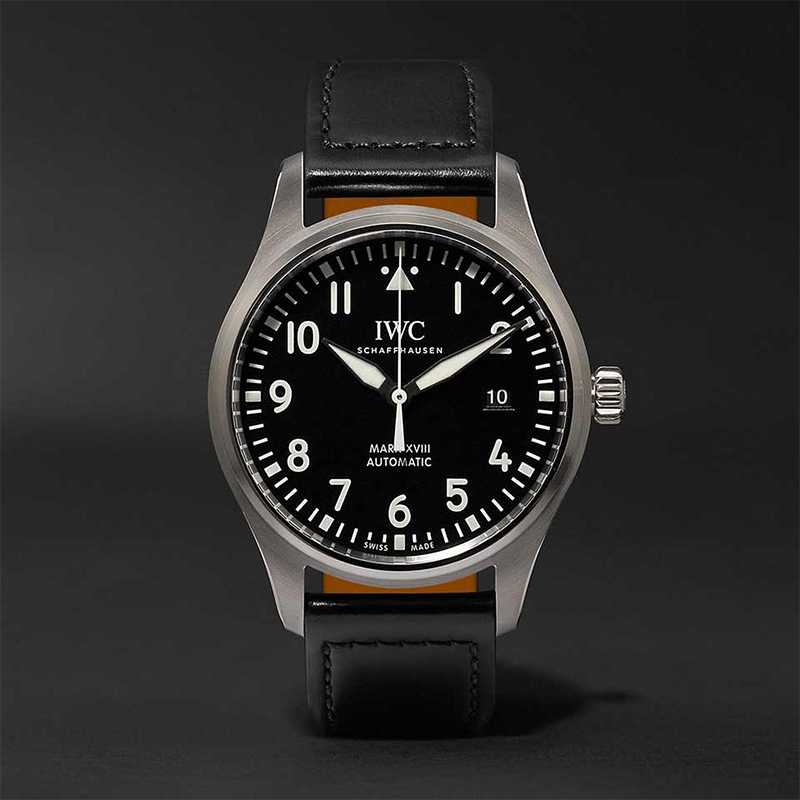
Contemporary IWC Mark VIII. Photo credit: The Jewellery Editor.
Further Reading
- In-Depth The ‘Dirty Dozen,’ An Incredible Collection Of 12 (Mostly) Inexpensive Military Watches
- Taking A Look At The Famous Dirty Dozen Watches
- In-Depth Your Guide to the “Dirty Dozen” – Including the Only British Member, VERTEX
Build
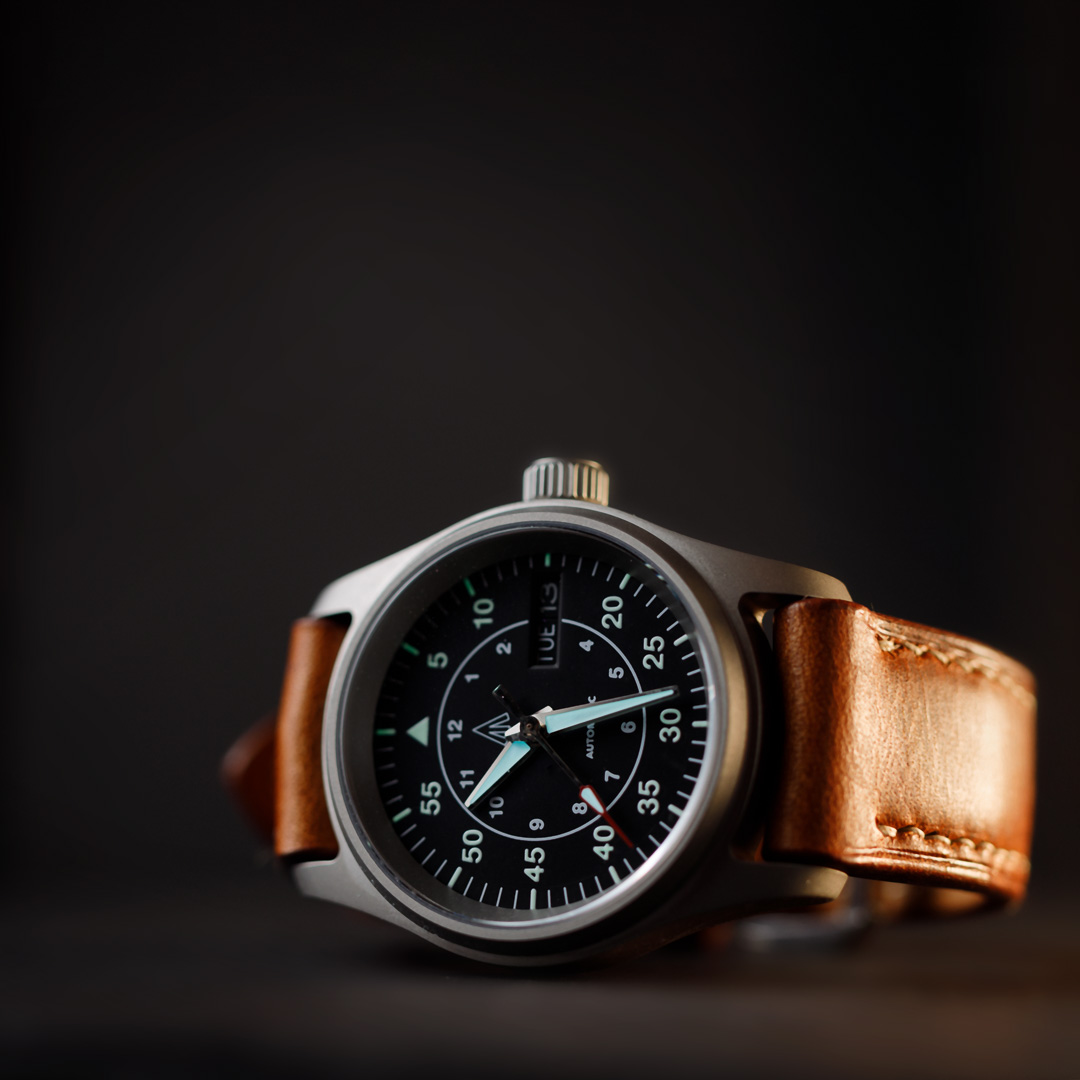
This custom watch build pays homage to the original Dirty Dozen field watches while incorporating modern elements. It combines contemporary functionality with aesthetics rooted in its historic origins.
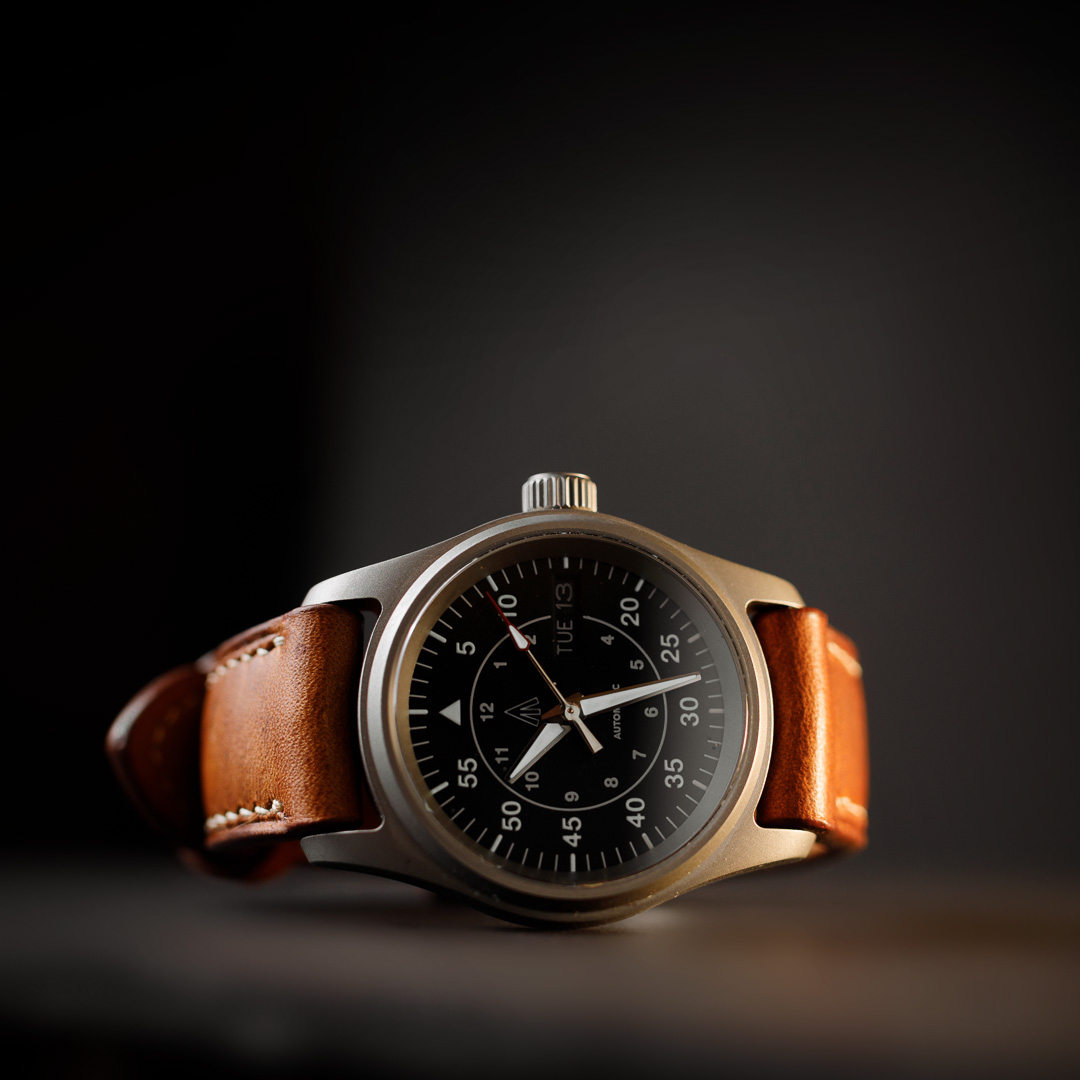
The watch case measures 36mm, reflecting the period-appropriate dimensions of the originals. Instead of the traditional domed Perspex acrylic crystal used in Dirty Dozen watches, this build features a flat sapphire crystal.
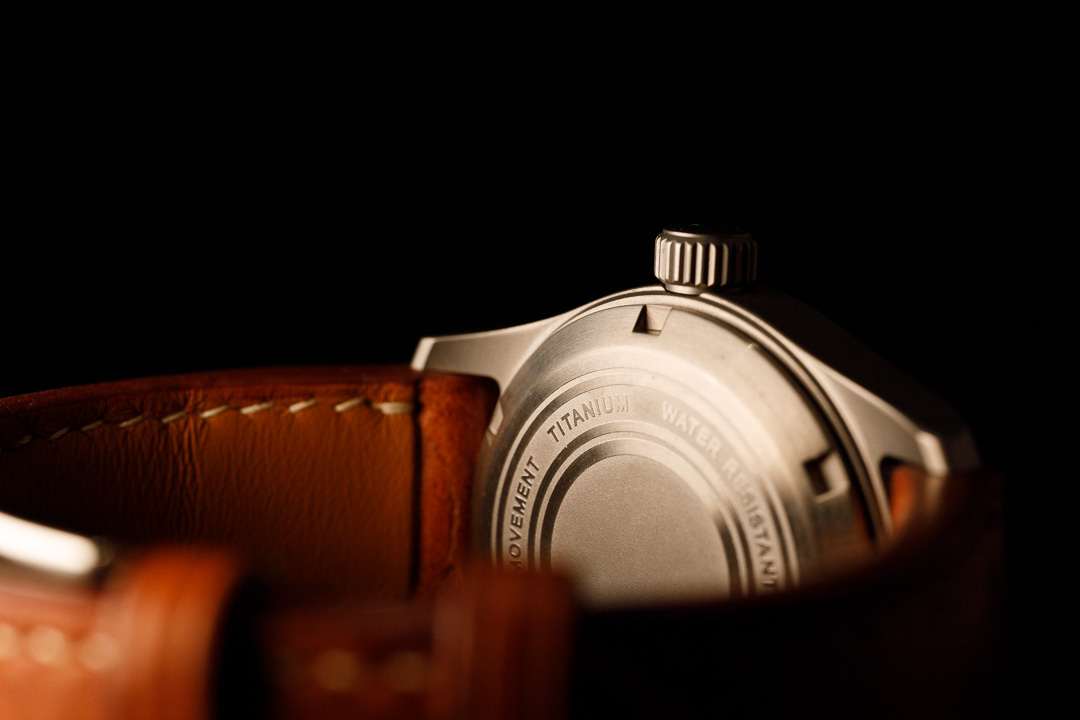
The movement is based on the Seiko NH36, which does not include the seconds sub-dial that was characteristic of the originals. However, the dial retains key design elements of the Dirty Dozen watches. It features a Namoki field watch dial in black with high-contrast white numerals and the iconic Broad Arrow marking.
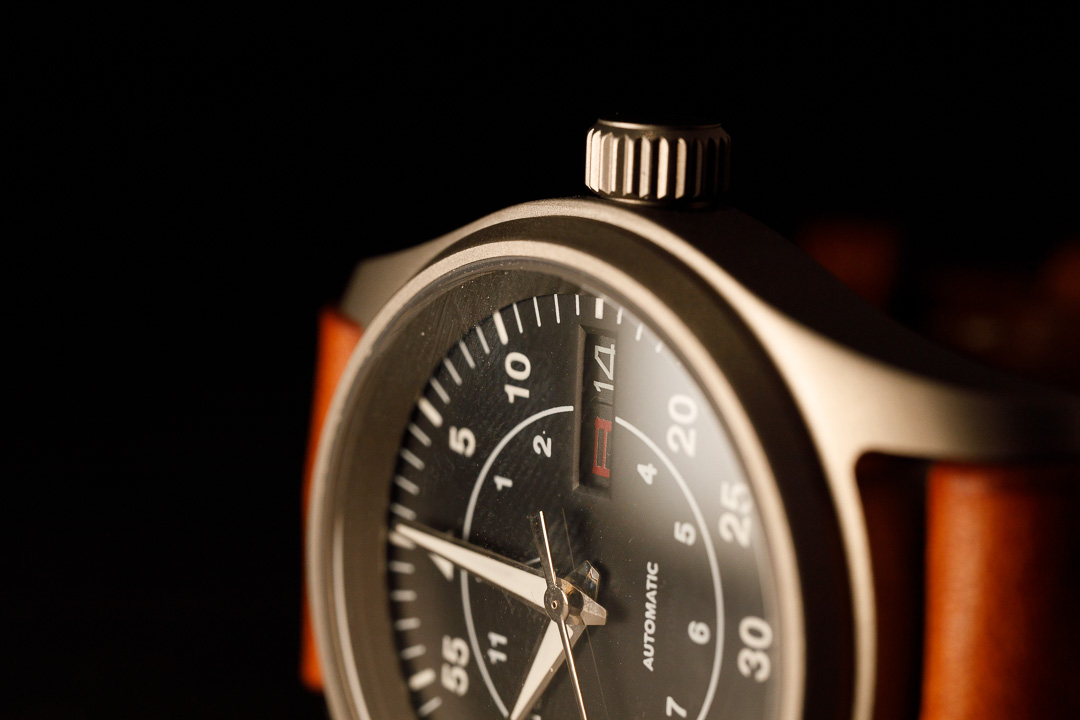
The hands draw inspiration from the original watches, which employed a variety of cathedral, syringe, or lance designs. This build offers a modern interpretation, including a red-tipped seconds hand for a subtle yet contemporary detail.